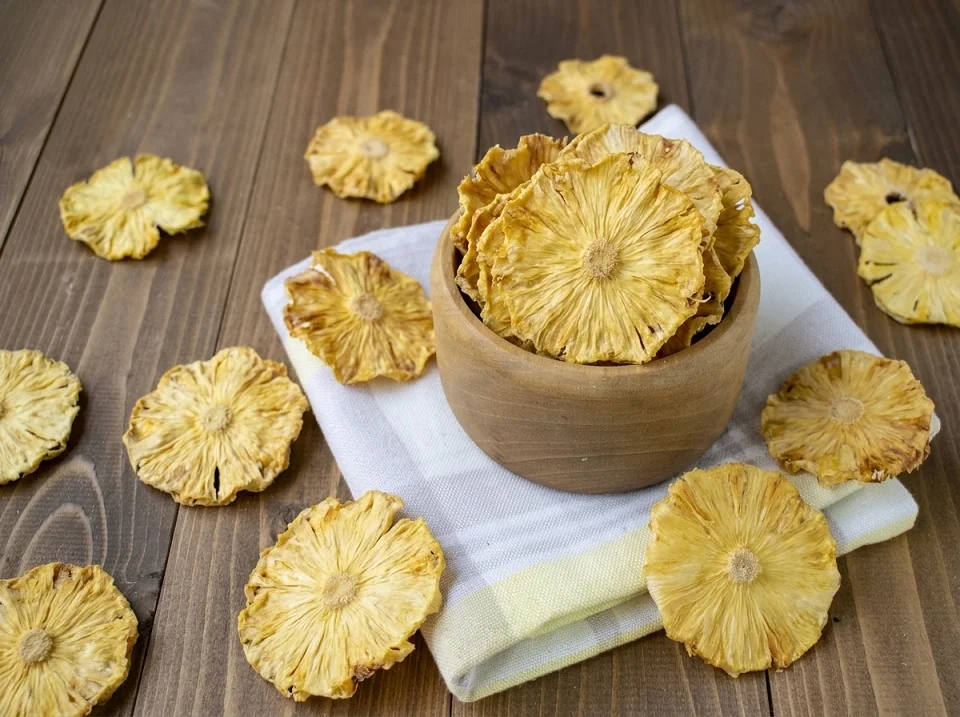
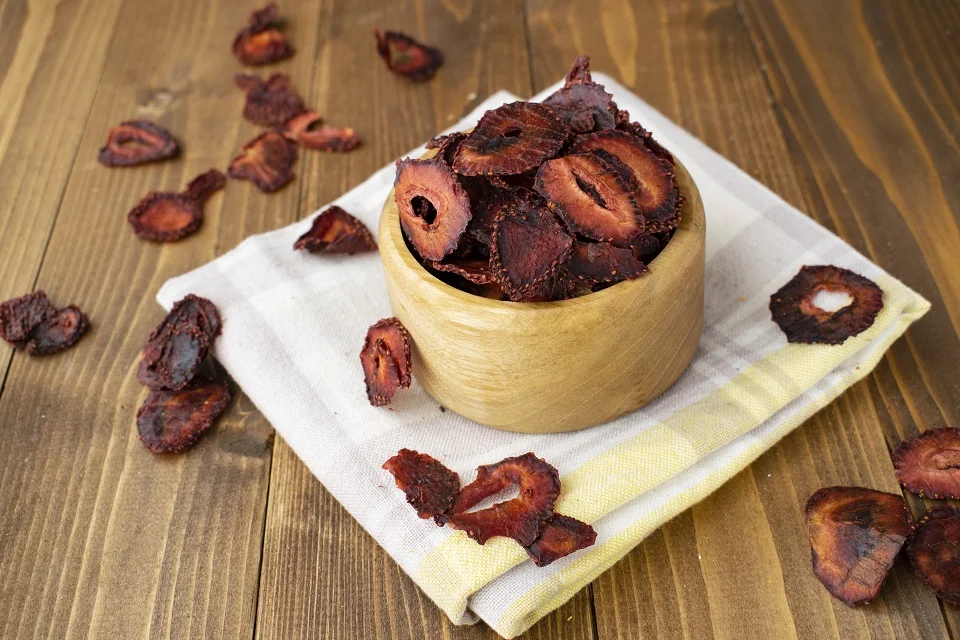
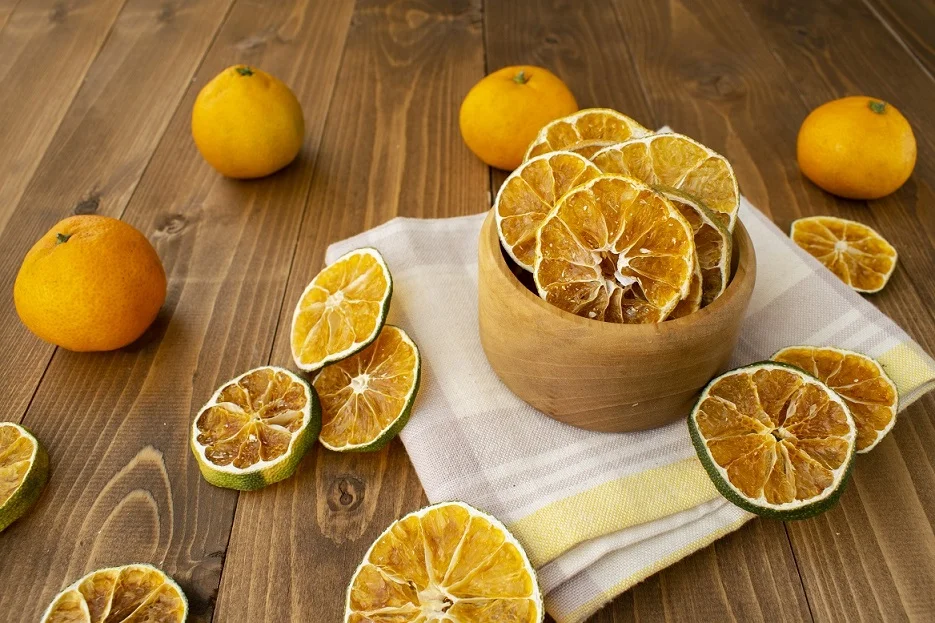
Mivana is a supplier of bulk dehydrated fruits from Iran. On this page, we answer some of the most common questions our customers ask and cover the main things you need to know before placing an order.
Where Our Fruits Come From
Most of the fruit we dry is grown in Iran.
Iran is a big country with all kinds of climates, so a lot of fruits and vegetables grow well here. In fact, production is much higher than domestic consumption, and higher than what’s exported fresh. That leaves a significant amount available for processing, and drying is one of the ways we make use of it.
The one exception is tropical fruit such as mango and pineapple, that aren’t grown much in Iran, so for those we use imported fruit.
What Affects the Price
We quote each order separately because the price depends on the fruit you choose and how you want it prepared. Here are the main things that affect the price of dehydrated fruit:
- Peeled or unpeeled: Peeled fruit usually costs more because it takes extra work to prepare.
- Moisture level: The drier the fruit, the more it usually costs. Lower moisture also helps extend shelf life.
- Sorting: Not every slice comes out perfect. Some pieces break during slicing and drying, and some may be half slices or have missing parts. They’re still fine to eat, but they don’t look as good as whole slices. If you’re okay with a mix of whole and broken pieces, you can get a lower price. If you want the broken pieces, small pieces, and uneven ends removed, the price will be higher.
- Packaging: The price can vary depending on whether you need 1 kg packs, 5 kg packs, or another packaging option.
- Order quantity: Larger orders may come with better prices, depending on the product and specifications.
- Type and origin of the fruit: The variety of fruit and where it’s grown both affect the price. Take apples in Iran, for example. Oshnavieh in West Azerbaijan, Maragheh in East Azerbaijan, Semirom in Isfahan and Damavand in Tehran Province, are major apple-growing areas. Apples from these regions differ in taste and texture, and even in their prices. So, the type of apple a supplier uses matters when you compare prices.
So comparing prices between different suppliers can be misleading without considering the technical details we mentioned above.
And one last thing if you’re comparing different drying methods, air-dried (dehydrated) fruit is generally much cheaper than freeze dried fruit.
Storage Condition and Shelf Life
Temperature control is the most important factor in maintaining the quality of air dried fruit. A simple rule we follow is that every 10-degree drop in temperature can double or triple the shelf life. If you have cold storage at -4 to 0 degrees, our fruit stays fresh for 24 months. If you are storing at a room temperature of 25 degrees, the window shrinks to about 4 to 6 months. We help you plan your ordering cycles based on your specific storage capabilities to avoid spoilage.
Samples and Minimum Order
Our minimum order is 50 kg per product. But if you’re just getting your business started, testing a new market, or launching a new product, we’re happy to support you and you can start with a smaller quantity just in your first order.
The only thing to keep in mind is that shipping smaller quantities can be a bit more challenging and expensive, depending on your destination and the available shipping options.
You can also request samples before placing an order. Just let us know which products you’d like to try and how much you need. The sample cost and shipping are covered by the buyer.
Packaging Options
We recognize that your business model may require different shipping formats. You can purchase our products in large bulk containers for repacking at your facility, or utilize our private label services. We offer several retail-ready packaging options that can be branded with your logo.
You have the flexibility to select single-fruit packs or create specific mixtures tailored to your target market’s preference. For example, our customers in the UAE prefer a sweet blend consisting of dehydrated mango, banana, coconut, peach, apple, and dehydrated fig. This flexibility helps you reduce operational overhead and move products to market faster.